
Laser Treatments
Fractional CO2 Laser in Cuenca
Renew your skin layer by layer with fractional CO2 laser resurfacing: improve acne scars, wrinkles and texture with a controlled recovery.

If you want to renew your skin in depth, the fractional CO2 laser in Cuenca at Jenny Vera Spa offers precise resurfacing to improve acne scars, wrinkles and texture with a controlled recovery.
How fractional CO2 laser resurfacing works
The laser emits microcolumns of infrared light that vaporize small fractions of skin in a controlled way, leaving the surrounding tissue intact. This "controlled injury" activates your fibroblasts and stimulates new collagen production, which remodels the skin from the deepest layers.
Precision that respects your lifestyle
By treating the skin in fractions rather than the entire surface at once, recovery is much faster than with the fully ablative CO2 laser. You get deep results with fewer days of social downtime.
Renewal does not happen in a single day: new collagen keeps building for weeks after each session.
Benefits
- Visible improvement of atrophic acne scars.
- Facial rejuvenation: softens wrinkles and expression lines.
- Smoother texture, refined pores and more even tone.
- Progressive, long-lasting results thanks to your own collagen.
What to expect
During the session
We apply topical anesthesia before starting so the procedure is well tolerated. We then pass the laser over the area to be treated; the session is quick and precise.
After the treatment
The first few days the skin looks red and shows fine flaking that resolves within a few days. From there you will see more renewed skin that keeps improving over the following weeks.
Aftercare
SPF 50+ sun protection is your best ally, along with plenty of hydration and not picking at the flaking. We provide you with clear instructions and guide you through every stage for an optimal result.
If you want to improve your acne scars or rejuvenate your skin, book your evaluation at our center in Cuenca, Ecuador, and we will design your personalized plan.
Frequently asked questions
What is resurfacing and how does the fractional CO2 laser work?+
It is a skin renewal treatment that emits microcolumns of infrared light to vaporize aged tissue in a controlled way. At the same time, it stimulates new collagen production, remodeling the skin from within.
Does it work for acne scars?+
Yes, it is one of the most effective treatments for atrophic acne scars (rolling and boxcar). The laser releases the tension in the scar tissue and fills the depression with new collagen over several weeks.
How long does recovery and redness last?+
The first few days you will see redness and fine flaking that resolves in about 5 to 7 days. Residual redness can last a few weeks and is easily managed with sun protection and hydration.
How many sessions do I need?+
It depends on your goal. Rejuvenation is usually achieved in 2 to 4 sessions and acne scars in 3 to 5, spaced 6 to 8 weeks apart. During your evaluation we design a personalized plan.
What time of year is best for this treatment?+
We recommend the months with less sun exposure, since the skin is more sensitive to the sun after treatment. In any case, daily sun protection is essential throughout the recovery.
Cuenca, Ecuador
Book your personalized evaluation
Get a professional recommendation based on your skin and your goals.
Learn more
Related articles

Laser Treatments
What Is CO2 Laser and Why Is Everyone Talking About It?
Discover what CO2 laser is, how it works, and why it's become one of the most sought-after treatments for facial rejuvenation. Real results in Cuenca.
Read article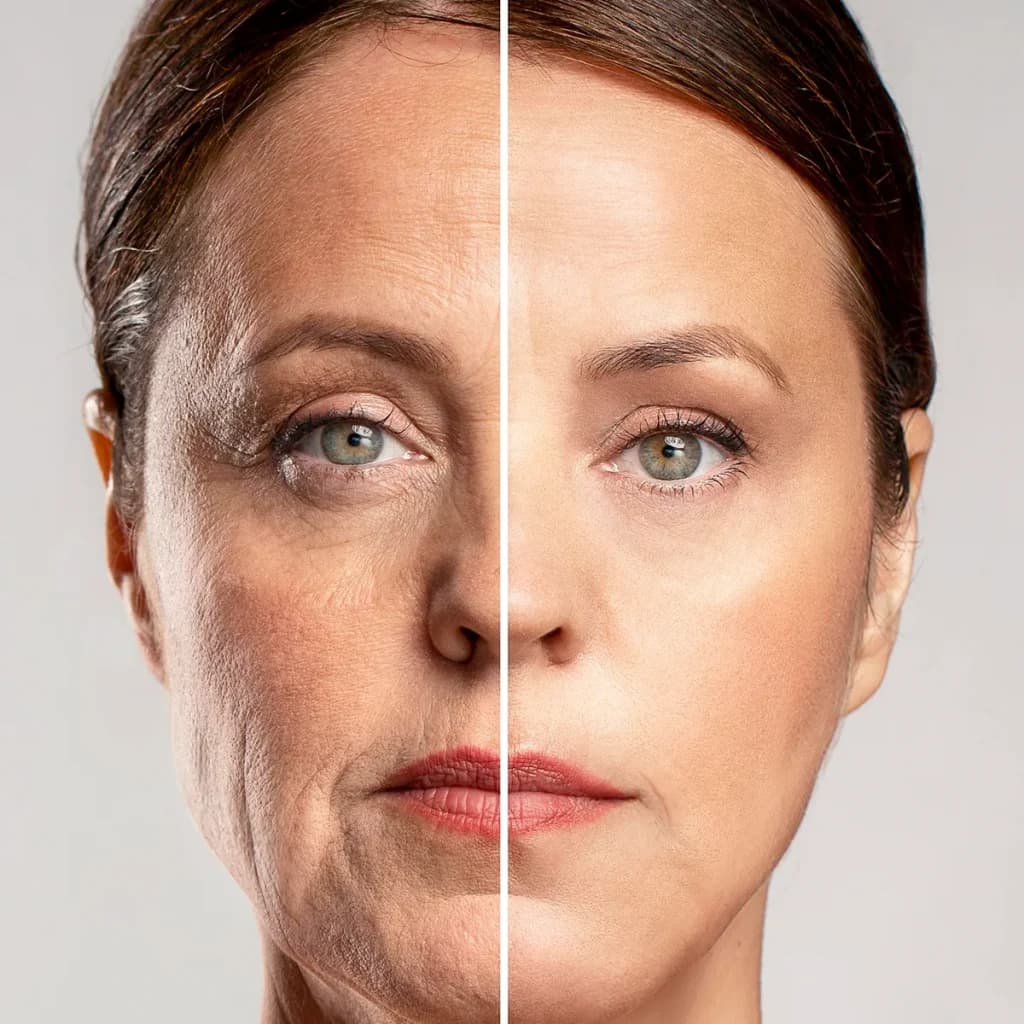
Laser Treatments
CO2 Laser Before and After: Results That Look Unreal
CO2 laser before and after: a realistic week-by-week timeline of redness, peeling and results by concern, plus honest limits and when to try alternatives.
Read article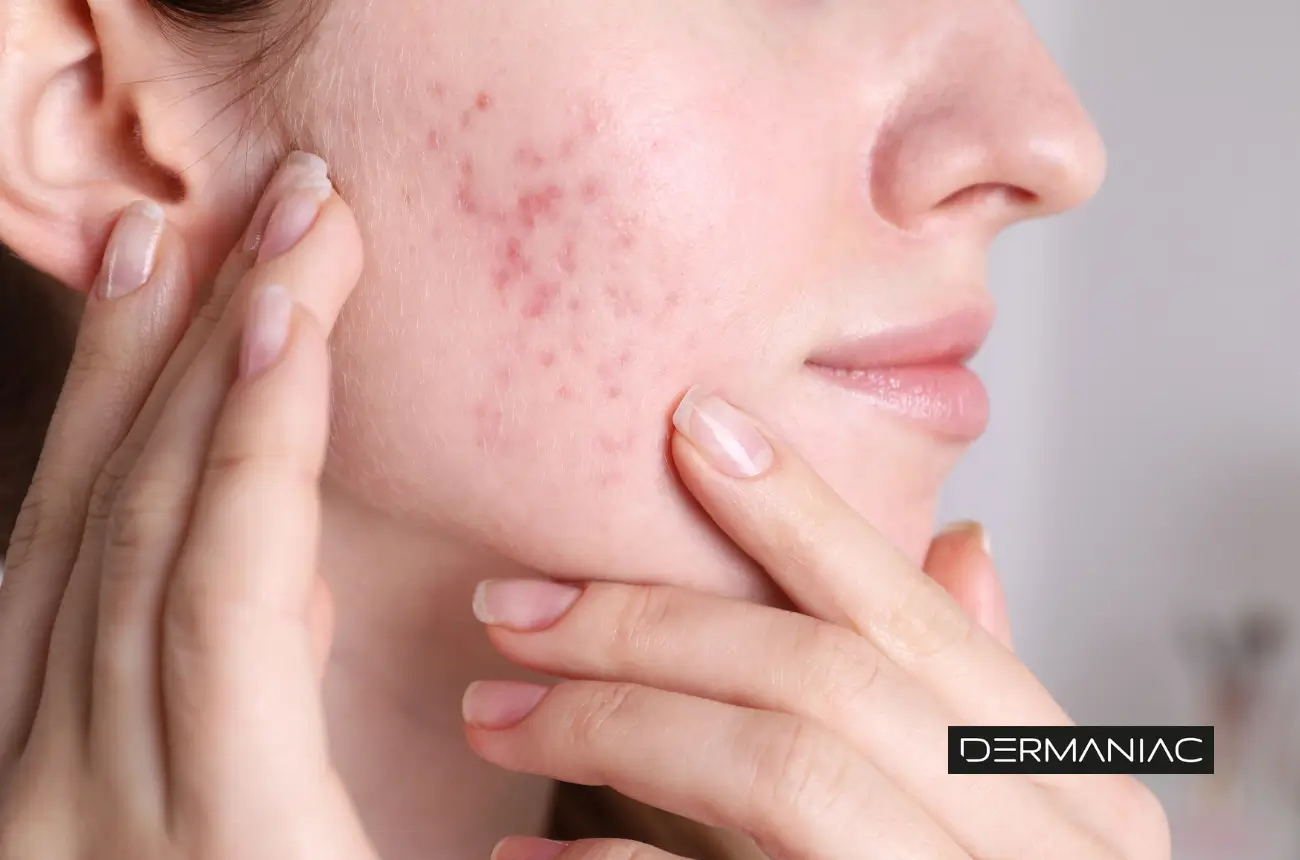
Laser Treatments
Does CO2 Laser Permanently Remove Acne Scars?
The truth about CO2 laser for acne scars. Realistic results, number of sessions needed, cost considerations, and whether it is really worth it.
Read article