
Laser Treatments
Types of Moles: Which Are Normal and Which Are Dangerous
Learn to identify different types of moles and their characteristics. Discover which are benign and which might pose risks to your skin health.
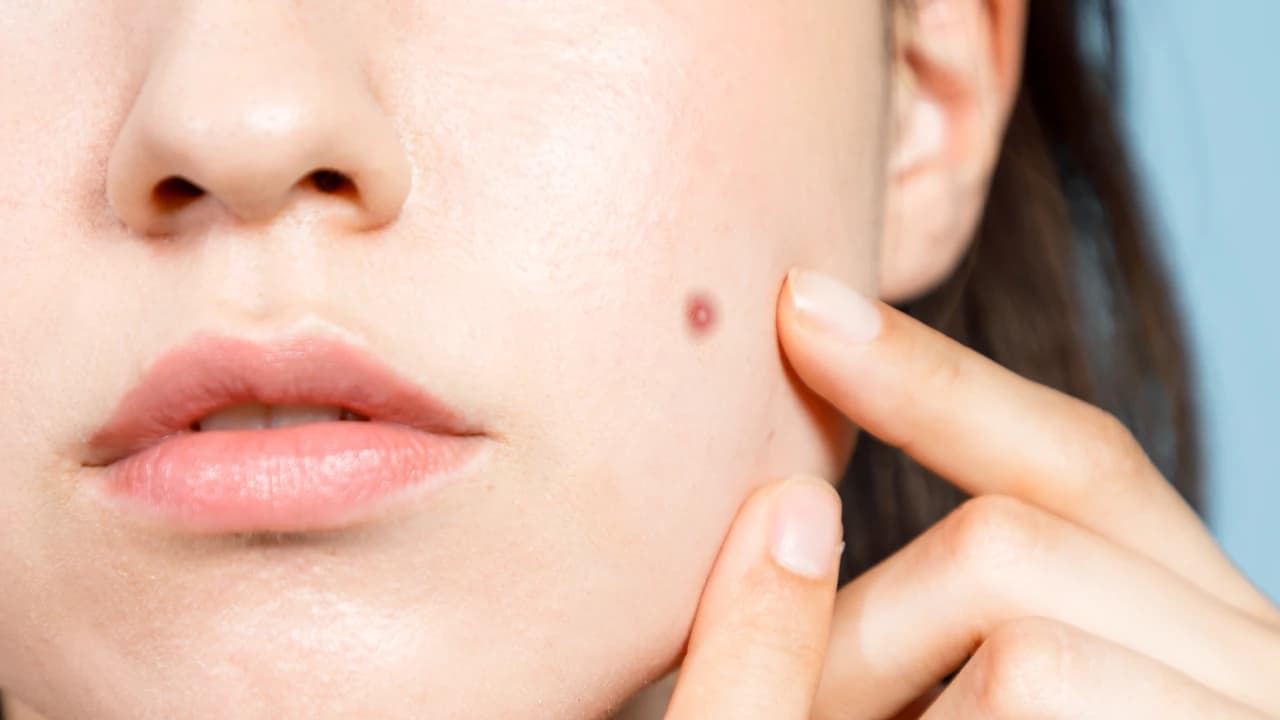
Moles are skin growths that appear on almost every person. While most are harmless, it is critical to distinguish which ones are normal and which might require medical attention. In this comprehensive guide, we will learn how to identify different types of moles and their main characteristics.
What is a Mole: Clinical Definition#
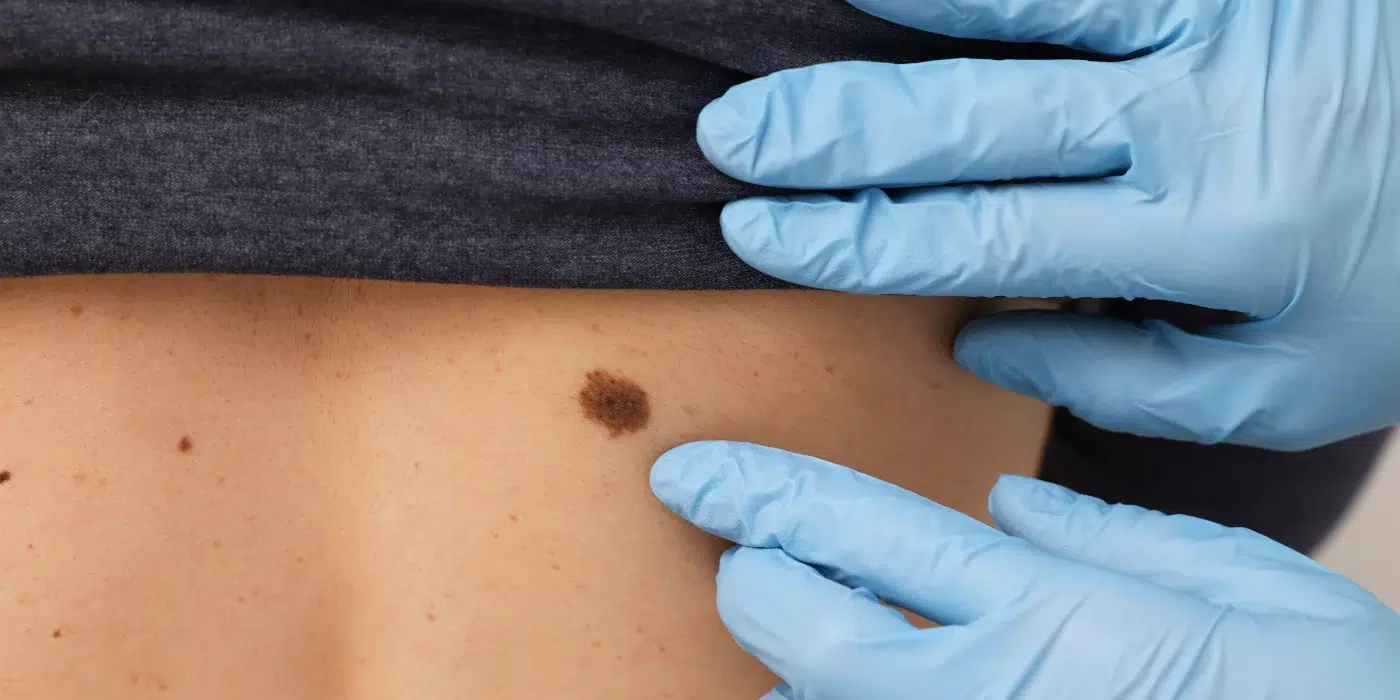
A mole, medically known as a nevus, is a benign skin growth caused by an accumulation of melanocytes, the cells that produce melanin. Moles can be flat or raised, brown, black, or reddish in color, and may have hair.
Most moles appear during childhood and adolescence, though some can develop throughout life. It is completely normal to have between 10 and 40 moles on your body during adulthood.
Types of Benign Moles#
Congenital Moles#
These moles are present from birth or appear in the first years of life. They are generally harmless and can vary in size, from very small to several centimeters. Large congenital moles (greater than 20 cm) require periodic specialist evaluation.
Acquired Moles#
These are moles that develop throughout life, usually before age 40. They tend to be small, uniform in color and texture, and do not change significantly over time. Sun exposure is one of the main factors in their development.
Intradermal Moles#
These moles are found in the deeper layers of skin and usually protrude. They are typically light brown and have a uniform texture. They are very common in older people and rarely present a risk.
Nodular Moles#
These moles are more raised and may have a texture similar to a wart. They are generally brown or black and grow slowly. In most cases, they are completely benign.
Dysplastic Moles#
These moles have an irregular appearance with fuzzy borders and non-uniform color. Although many are benign, the presence of multiple dysplastic moles slightly increases the risk of melanoma, so they require periodic monitoring.
Warning Signs: The ABCDE Rule#
The ABCDE rule is a diagnostic tool used by dermatologists to identify moles that could be dangerous. If your mole shows any of these characteristics, it is important to consult a specialist:
A - Asymmetry: One side of the mole does not match the other side. Benign moles are generally symmetrical.
B - Border: The edges are irregular, jagged, or poorly defined. Normal moles have clear, smooth borders.
C - Color: The mole shows color variation within the same lesion, with shades of brown, black, red, or even white. Benign moles have uniform color.
D - Diameter: The mole measures more than 6 millimeters (approximately the size of a pencil eraser). Large moles require specialist attention.
E - Evolution: The mole is changing in shape, size, or color. Any significant change should be evaluated by a dermatologist.
Malignant Moles: What You Need to Know#
Melanoma is the most serious form of skin cancer and can originate in an existing mole or develop as a new lesion. Unlike basal cell and squamous cell carcinomas, melanoma has greater ability to spread to other parts of the body.
Characteristics of melanoma:
- Sudden appearance in adults
- Rapid change in shape, size, or color
- Bleeding or itching
- Irregular texture or thickening
- Dark or multicolor appearance
- Rapid growth (weeks or months)
It is important to note that not all melanomas present all of these characteristics, but the presence of any of them should prompt immediate medical consultation.
Red Moles: Another Important Type#
Angiomas, or red moles, are small bumps caused by the growth of blood vessels. They generally appear with age and are completely benign. They have no potential to become cancerous, although some patients prefer to have them removed for aesthetic reasons.
For the removal of these red moles, our laser mole removal treatment in Cuenca is an effective option. The laser destroys blood vessels without affecting surrounding skin, with excellent results and minimal recovery time.
When to See a Specialist#
You should consult a dermatologist in the following cases:
- If you notice changes in an existing mole (size, color, shape, texture)
- If a mole itches, hurts, or bleeds
- If you have multiple dysplastic moles or a family history of melanoma
- If a mole is larger than 6 mm in diameter
- If a new mole appears after age 40
- If you have any doubts about any skin lesion
Periodic dermatological examinations are especially important if you have fair skin, a family history of melanoma, multiple moles, or frequent sun exposure.
Prevention and Sun Protection#
While not all moles can be prevented, sun protection is essential:
- Use sunscreen SPF 30 or higher daily
- Avoid sun exposure between 10 AM and 4 PM
- Wear protective clothing, hats, and sunglasses
- Avoid tanning beds
- Perform monthly self-exams of your skin
- Schedule annual reviews with your dermatologist
Frequently Asked Questions#
Can moles turn into cancer? Most moles remain benign throughout life. However, some dysplastic moles have a slightly elevated risk of becoming melanoma. This is why periodic monitoring is important.
Is it safe to remove a mole? Yes. Mole removal for aesthetic reasons is completely safe when performed under medical supervision. Laser treatment is especially effective and leaves minimal adverse aesthetic results.
How long does it take to recover from laser removal? Recovery is quick. There is generally minimal redness that disappears within a few hours. The area may be sensitive for a few days.
Do moles reappear after removal? Completely removed moles will not reappear. However, new moles can form in other areas of the skin due to genetic factors and sun exposure.
How often should I check my moles? If you have normal moles and no family history of melanoma, an annual check is sufficient. If you have a history or dysplastic moles, your dermatologist may recommend check-ups every 6 months.
Conclusion#
Understanding different types of moles and their characteristics is essential for skin care and early problem detection. The ABCDE rule is your ally in identifying concerning changes, but remember that only a dermatologist can diagnose with certainty.
Do not wait for a mole to cause problems. If you have doubts about any skin lesion or wish to remove moles for aesthetic reasons, book your evaluation here with our specialists at Jenny Vera Spa.
You can also learn more about our laser treatments and the available options for skin care.
Keep reading
Related articles
Laser Treatments
Is This Mole Dangerous? Signs You Should Never Ignore
Discover the 5 most critical warning signs indicating a dangerous mole. Complete guide to suspicious moles, ABCDE rule, and when to see a dermatologist.
Read article
Facial Aesthetics
Facial Lymphatic Drainage: Reduce Puffiness
Discover how facial lymphatic drainage eliminates toxins, reduces swelling, and rejuvenates your skin. A relaxing treatment that improves facial health.
Read article